
Why Carbon Fiber Bugle Tubes Are Changing the Game for Elk Hunters
August 27, 2025
Call Longevity Starts with Care: Protect Your Elk Diaphragms from Bacteria and Breakdown
September 2, 2025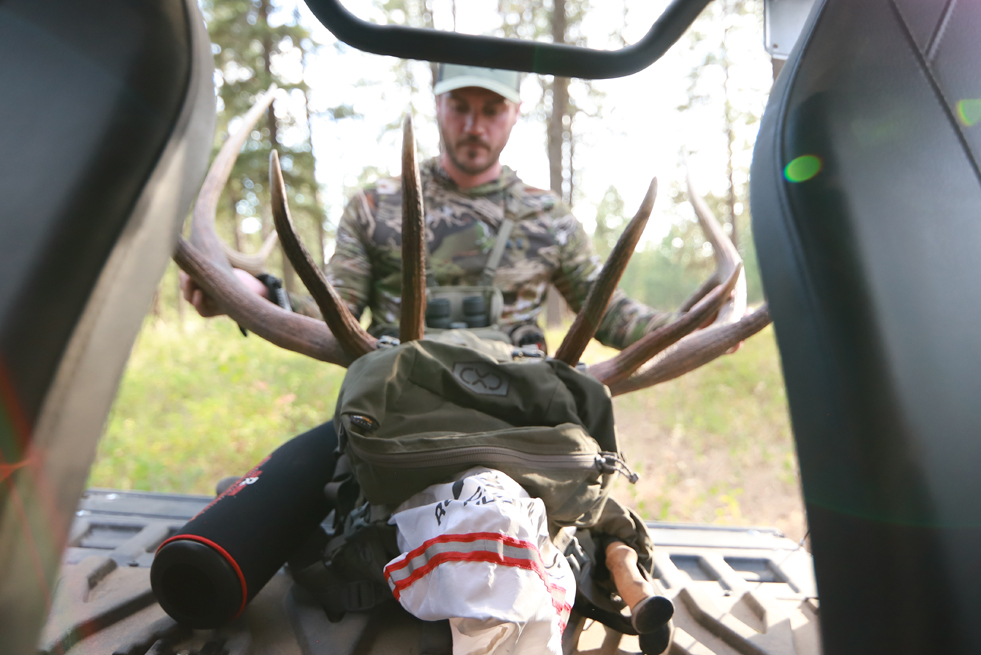
When the bull hits the ground, the real work begins.
Learn how to properly care for elk meat in the backcountry—from the first cut to the final pack-out—so your hard-earned harvest makes it home clean, cool, and ready for the freezer.
For many of us, the pursuit of elk isn’t just about the bugles echoing through the timber or the adrenaline of the final stalk—it’s about the reward that comes after the shot. But the moment that bull hits the ground, the real work begins. Especially for those hunting deep in the backcountry, miles from the nearest road, proper meat care is what separates a successful harvest from a wasted opportunity. Whether you’re packing out with a backpack or loading quarters onto horses, preserving your meat in the field is a critical skill every elk hunter should master. Here’s how to get it done right.
The Clock Starts at Impact
Once the elk is down, time is not on your side. Bacteria multiply quickly on warm flesh, and any delay in cooling the meat can lead to spoilage. Your first job is to tag the animal as required by your state regulations, then immediately get to work on field dressing or quartering.
In warm temperatures, bacteria can double every 20–30 minutes. That’s why cooling your meat is priority #1. And in remote country—without ice, shade, or refrigeration—you’ve got to rely on your skill and preparation.
Field Dressing vs. Quartering
In a backcountry setting, most hunters skip traditional field dressing in favor of the gutless method. This technique allows you to remove the quarters, backstraps, and neck meat without ever opening the body cavity, avoiding heat retention and mess. Quarter the elk as quickly as possible, starting with the side facing up. Once that half is removed, roll the elk over and repeat on the other side. Don’t forget to remove the tenderloins from inside the spine after the guts settle downward.
Once quarters are off, hang them immediately, even if only for a few minutes, to allow heat to dissipate. Use a downed tree limb or an improvised meat pole. Elevation improves airflow—critical for cooling.
The Role of Quality Game Bags
This is where your game bags earn their keep. Cheap cotton bags or makeshift pillowcases might seem like a budget-friendly option, but they fall short in the field. They restrict airflow, soak up blood (and bacteria), and are prone to tearing. Instead, use lightweight, breathable synthetic bags designed for backcountry use.
A proper game bag should:
- Allow air circulation to cool the meat
- Protect from insects, dirt, and debris
- Be strong enough to haul bone-in quarters
- Be washable and reusable for season after season
The 5-bag system—four for quarters, one for trim meat—is ideal for elk. It keeps the load organized and manageable, especially when solo or using a pack system.
Pack Smart, Pack Safe
Packing out elk meat is hard, dangerous work. An average bull can yield 200–300 pounds of boned-out meat. If you’re hauling with a backpack, you’re likely making multiple trips unless you’re part of a group.
Backpackers:
Start with the heaviest loads first—usually the hindquarters. Use a quality frame pack with load lifters and meat shelf support. Secure the bag tightly; loose meat shifts and throws your balance. Always carry water, GPS, and emergency gear—meat care is meaningless if you get hurt or lost.
Horsepackers:
Balance the panniers with equal weight. Wrap game bags in breathable canvas or meat sacks to prevent flies during travel. Keep hair, hide, and dirt away from the meat to preserve cleanliness and taste.
Keep It Cool and Dry
If you’re making multiple trips, stash the remaining bags in the shade—off the ground and in a breezy location. Hanging quarters from tree limbs using paracord or game bag loops is ideal. If trees aren’t available, prop them up with logs or rocks to allow air underneath. Avoid direct contact with wet surfaces. Moisture promotes bacterial growth and spoiling. Even in cooler temps, if the meat stays wet, you’re at risk. Use natural shade, north-facing slopes, or even snowbanks (if available) to help cool your load between hauls. In a pinch, you can even fashion a tarp shelter to keep sun off the meat.
In Camp: Care Doesn’t Stop
Once the meat’s back at camp, it still needs attention. If you’re not near refrigeration or a cooler, hang it up again and rotate the bags regularly to prevent flat spots from holding in heat. Check for any signs of spoilage—slimy texture, greenish tint, or strong sour odor. Healthy meat should smell clean and fresh with just a hint of iron or blood. Many backcountry hunters carry lightweight mesh tarps or mosquito netting to add an extra layer of insect protection if flies are heavy. A little extra effort here goes a long way when you’re cooking steaks a week later.
Reusing Game Bags: Clean ‘Em Right
High-quality game bags are built to last—but only if you clean them properly. Once home: Rinse thoroughly in cold water to remove blood and debris. Soak in a mild detergent or odor-free soap. Avoid bleach or fabric softeners, which can damage the fibers and add unwanted scent. For deep cleaning, consider adding a bit of baking soda or use a specialty gear wash. Air-dry completely—never store damp. Many hunters prefer to pre-wash bags before hunting season too, to remove any residual scent or dust from storage.
Bonus Tips from the Field
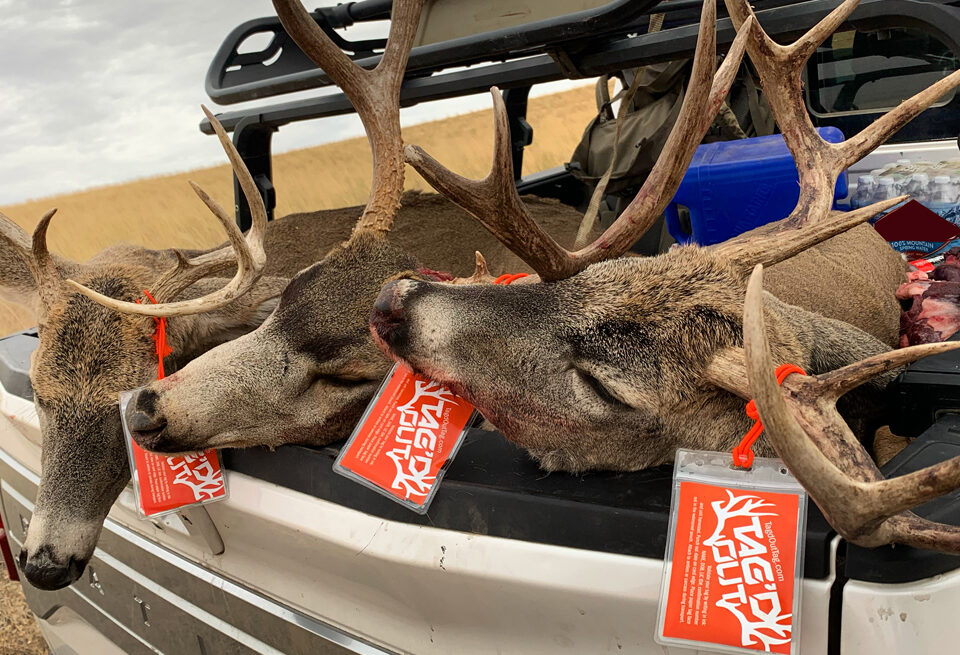
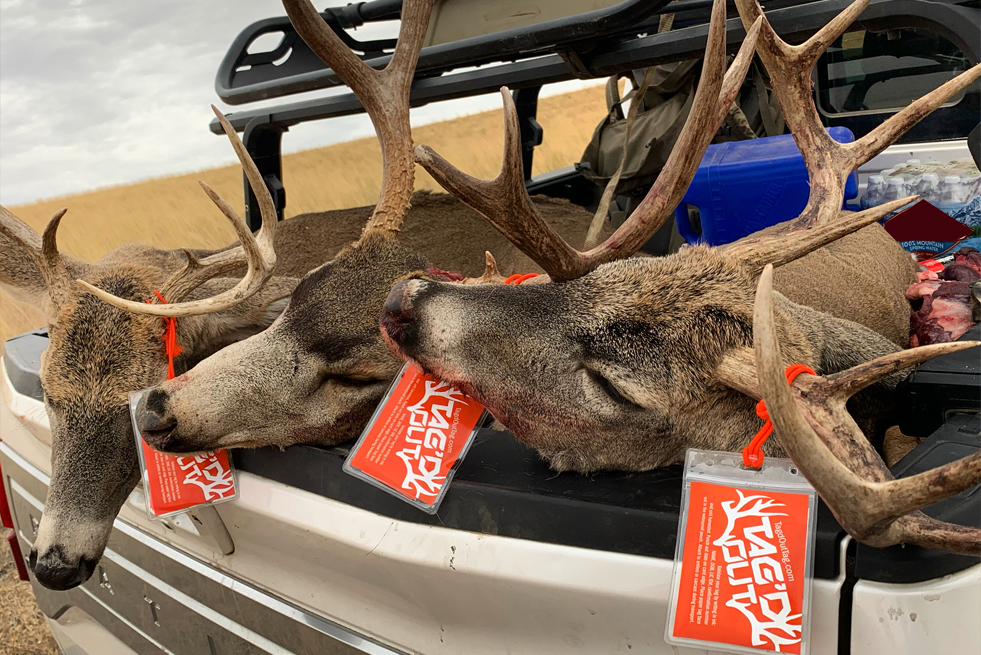
Gloves and wipes: Always carry nitrile gloves and field wipes. They help keep meat clean and reduce your exposure to bloodborne pathogens. Game bag ID: Mark your bags with Tagd Out Kits. It helps during pack-out and makes cleaning/sorting easier later. Trim discipline: Be mindful when carving out neck, rib, and scrap meat—don’t leave it behind. Use the fifth bag for all the extras; they’re great for grind or stew meat.
Final Thoughts
Caring for your elk meat in the backcountry isn’t just about flavor or food safety—it’s about respect. You’ve put in the miles, made the shot count, and honored the animal by making use of every edible piece. At Rocky Mountain Hunting Calls & Supplies, we know the grind doesn’t end at the kill. That’s why we’ve designed our Assassin Game Bag Set to help you get your harvest out clean, cool, and intact. Lightweight, tough, and reusable—these bags were made for serious hunters running deep and packing heavy. You called them in with our bugles. Now let us help you bring them home.