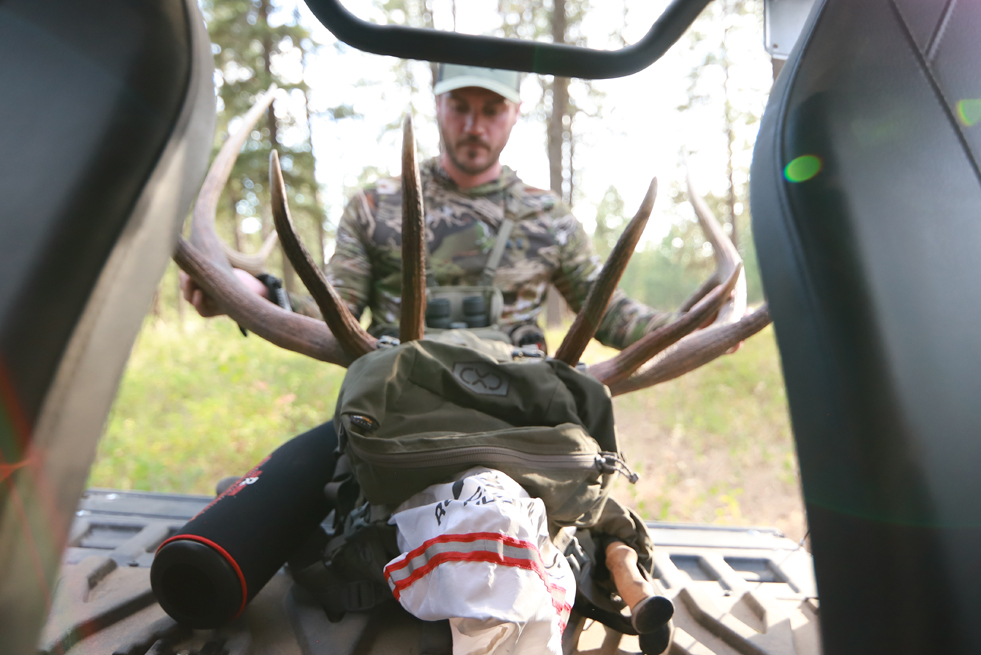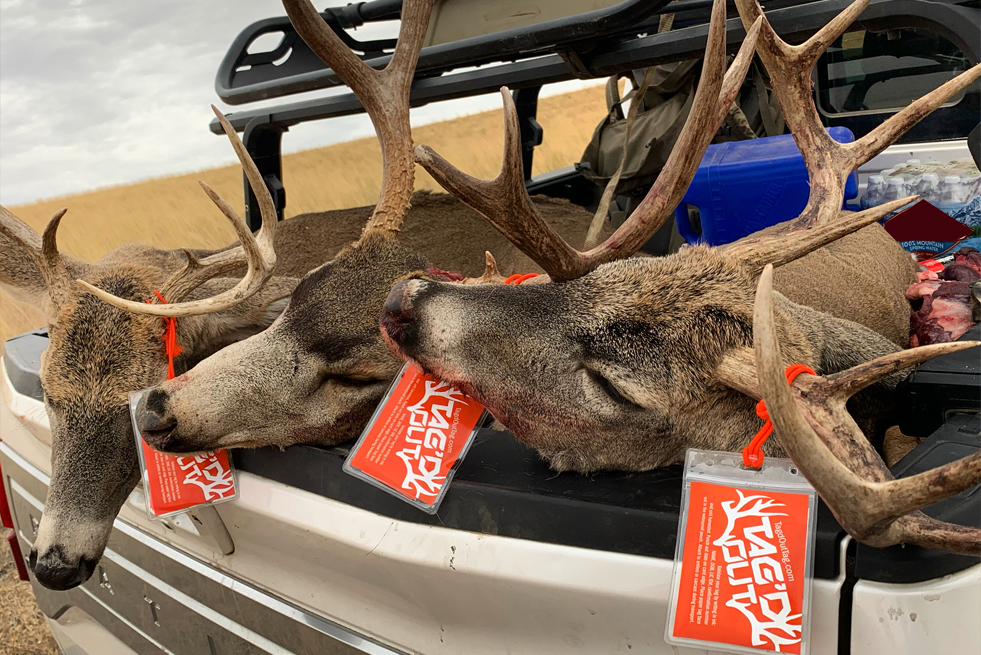


From Field to Phone: The Digital Evolution of Hunting Tags
August 27, 2025
Pack It Right: Elk Meat Care in the Backcountry
August 27, 2025
I Didn’t Think a Bugle Tube Would Make That Big of a Difference… Until I Tried Carbon Fiber
I’ll be honest—I used to think a bugle tube was a bugle tube. I figured as long as I could make some decent sounds and get a bull to answer, that’s all that mattered. I was wrong.
Last season, I finally decided to try a carbon fiber bugle tube after hearing a few guys talk about how much better they sounded. I didn’t expect a night-and-day difference—but that’s exactly what I got. For years, I ran the same old plastic bugle tube. It had scratches down the side, a bit of duct tape holding a crack together, and more than a few seasons under its belt. It got the job done—or so I thought. I gave it a few bugles just to test it out—and I couldn’t believe what I heard. The sound was richer, cleaner, and more realistic than anything I’d ever made with my plastic tube. It didn’t buzz or vibrate in my hands. The tone carried better, and it had this natural resonance that just sounded like a live bull in the woods. That short session planted the seed.
What I Didn’t Know Was Holding Me Back
I’d always assumed the caller mattered more than the call. And don’t get me wrong—practice, technique, and rhythm are still king. But the tube you’re running plays a huge part in how your sound is projected. My old plastic tube had a hollow, slightly harsh tone I’d just gotten used to. It was inconsistent in the cold, and it didn’t carry as far as I thought. Once I heard the difference in harmonics and clarity from carbon fiber, it was like switching from AM radio to surround sound.
First Impressions in the Field
I picked up a carbon fiber tube right before archery season kicked off and took it on my first overnight hunt of the year. The first morning, I climbed into a high basin just after daybreak and let out a location bugle that rolled off the ridge like thunder. Within seconds, a bull cracked back from across the drainage. I hit a lip bawl, followed by a few chuckles, and he responded again—closer. Now, I’ve had bulls answer plastic tubes before, but this felt different. The volume, the tonal quality, and the aggressive response from that bull told me I wasn’t just making noise—I was speaking his language. He ended up hanging up at 90 yards in thick timber, never giving me a shot, but the encounter gave me more confidence in my gear than I’ve had in a long time.
Built to Last—Without the Bulk
One thing I appreciated right away was how lightweight the carbon tube was. It’s crazy to think something that sounds this good can weigh so little. When you’re logging 8–10 miles a day, especially in rough country, that matters. Every ounce counts, and this tube didn’t add any noticeable weight to my pack. What’s even better is how tough it is. I’ve had plastic tubes get warped after a long day in the sun or cracked when packed too tight. Carbon fiber doesn’t budge. It stayed rigid, strong, and unaffected through cold mornings, hot afternoons, and plenty of unintentional abuse. I strapped it to my pack, tossed it in the truck bed, even dropped it off a log once—and it came through looking and sounding just like the day I bought it.
Consistency Across Conditions
One of the biggest frustrations I used to have was how my old tube would act up in bad weather. Cold temps seemed to change the tone slightly, or I’d get inconsistent pressure. With carbon fiber, the performance stayed the same no matter what. That consistency meant I could focus on my calling, not on fighting my gear. When I’m cold, tired, and calling into a stiff headwind, the last thing I want is a tube that’s struggling to keep up. Carbon fiber just works. Every time.
It’s Not Just About Sound—It’s About Confidence
Calling elk isn’t just about making a bull respond—it’s about creating the right emotion. You want to challenge him, make him believe there’s a rival in his zone, or that a hot cow is just over the ridge. The realism of a carbon fiber tube gives you that emotional edge. The sound is so clean and dynamic that it gives your call more presence, more power, and ultimately, more influence. It’s hard to explain, but when your gear sounds dialed, you start calling with more confidence. And bulls pick up on that. Hesitant calls don’t get results. Confident ones do.
Worth Every Penny
I’ll admit—I hesitated to spend the extra money. I figured the tube I had was “good enough.” But after a full season with carbon fiber, I can tell you without a doubt it was worth it. The increased response rate, better sound quality, improved durability, and weight savings all made my hunts more enjoyable—and more effective. Even on the days when the elk weren’t talking, I felt more prepared. I wasn’t second-guessing my sounds or fighting with my gear. I was just hunting.
A Better Tool for a Better Hunt
If you’re a weekend warrior, a die-hard archery nut, or just someone who wants to improve your calling game, I’d say give carbon fiber a shot. You don’t have to be a world champion caller to benefit from it. In fact, if you’re still learning, the clarity and tone can actually help you recognize what you’re doing right—and where you need to adjust. It’s one of those upgrades that you don’t realize you need until you try it. And once you do, there’s no going back.
Final Thoughts
At the end of the day, I didn’t switch to carbon fiber because it looked cool or was the latest trend—I switched because I wanted better results in the field. And that decision paid off with more action, cleaner sound, and a new level of confidence in my calling. If you’re looking to make that same leap, check out the new Assassin Bugle Tube from Rocky Mountain Hunting Calls. Built with a lightweight carbon fiber design, it delivers the volume, tone, and realism that gets bulls fired up. It’s compact, durable, and field-tested to perform in any condition—from cold, frosty mornings to long hikes deep into elk country. I’ve tried a lot of plastic tubes over the years, but the carbon Assassin stands out. Whether you’re a seasoned hunter or just dialing in your calling game, this one earns its spot in your pack. Don’t just sound like an elk—sound like the one they don’t want in their herd. Trust me—once you run the Assassin, there’s no going back.